


-

Add: HeBei ShengShi HongBang Cellulose Technology CO.,LTD.
-

Email
13180486930@163.com -

CONTACT US
+86 13180486930

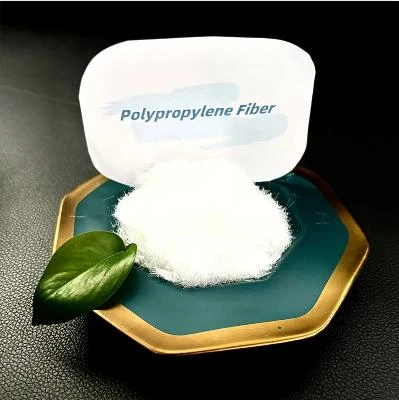


In the world of modern construction, synthetic fibers have revolutionized the way materials are used, enhancing the strength, flexibility, and durability of various building components. The different types of synthetic fibers available today are engineered for specific uses, making them indispensable in many construction projects. These fibers are often used to reinforce concrete, improve the resilience of building structures, and provide additional benefits like increased fire resistance and weather protection. From polypropylene fibers to long glass fibers , synthetic fibers offer a range of options tailored to different needs. Whether it’s increasing the strength of cement or providing insulation properties, the different types of synthetic fibers ensure that construction projects meet high standards of quality and longevity. In addition to their superior performance, synthetic fibers are often more cost-effective and readily available than traditional materials. This makes them a preferred choice for construction companies aiming to reduce costs while maintaining high-quality results. Furthermore, the environmental impact of synthetic fibers is increasingly being addressed with sustainable production methods, making them a more eco-friendly option for the construction industry. Long Glass Fiber Polypropylene: A Key Ingredient for Stronger Materials One of the standout synthetic fibers in the construction industry is long glass fiber polypropylene . This innovative fiber combines the strength of glass with the lightweight, corrosion-resistant properties of polypropylene. As a result, long glass fiber polypropylene is often used to reinforce concrete and other building materials, providing a significant boost in durability and performance. The inclusion of long glass fiber polypropylene in construction materials helps reduce cracking and improve the structural integrity of buildings and roads. The long fibers create a matrix that distributes stresses evenly across the material, preventing localized damage. This fiber is particularly useful in high-strength concrete applications where additional reinforcement is needed. Moreover, long glass fiber polypropylene is highly resistant to environmental factors like moisture, UV radiation, and temperature changes, making it ideal for both indoor and outdoor construction projects. It is commonly used in applications like paving, drainage systems, and even in the production of prefabricated building components. Its versatility and effectiveness in improving the lifespan and reliability of building materials make it a go-to solution for modern construction needs. Fibre Natural and Synthetic: A Comparison of Strength and Sustainability When choosing materials for construction, understanding the difference between fibre natural and synthetic options is crucial. While natural fibers such as jute, hemp, and cotton have been traditionally used in construction, synthetic fibers like polypropylene, polyester, and nylon have emerged as more durable and cost-effective alternatives. Fibre natural and synthetic materials each have their own advantages, making them suitable for different types of applications. Natural fibers are renewable, biodegradable, and often produced using more sustainable methods, making them a more eco-friendly option. However, they may not offer the same level of strength or resistance to environmental factors as synthetic fibers. On the other hand, synthetic fibers are engineered for durability, offering superior resistance to moisture, heat, and wear. They are often used to enhance the properties of natural materials, making them more suitable for demanding construction environments. For example, natural fibers like hemp may be used in insulation or as a reinforcement material in low-stress applications, while synthetic fibers like polypropylene or polyester are used for high-strength reinforcement in concrete, roofing, and other critical structures. By combining the best of both fibre natural and synthetic materials, construction companies can achieve optimal performance and sustainability. Non-Woven Polypropylene Fiber: A Revolutionary Material in Construction Non woven polypropylene fiber is another essential material that is increasingly being used in the construction industry. Unlike traditional woven fabrics, non woven polypropylene fiber is made from a process that bonds fibers together without weaving or knitting, resulting in a highly versatile material with excellent durability and moisture resistance. This fiber is widely used in applications like drainage systems, geotextiles, and road construction. Non woven polypropylene fiber provides a lightweight yet strong solution for reinforcing construction materials. It is often used in soil stabilization, as it helps prevent erosion and improves the strength of the ground underneath roads, bridges, and buildings. The material's ability to resist moisture also makes it ideal for protecting against corrosion and extending the lifespan of infrastructure. Additionally, non woven polypropylene fiber is environmentally friendly, as it is made from recyclable polypropylene, a material that can be repurposed for various other uses. Its cost-effectiveness, combined with its high-performance qualities, makes it a popular choice for contractors seeking durable and sustainable solutions for their construction projects. S ynthetic F ibers FAQs What are the different types of synthetic fibers used in construction? Synthetic fibers used in construction include polypropylene, polyester, nylon, and glass fibers. Each type is engineered for specific applications, such as reinforcing concrete, improving durability, and providing insulation. What is long glass fiber polypropylene, and why is it important in construction? Long glass fiber polypropylene is a fiber that combines the strength of glass with the lightweight, corrosion-resistant properties of polypropylene. It is essential in construction for reinforcing concrete, improving structural integrity, and preventing cracking. What are the benefits of using natural fibers in construction? Natural fibers , like hemp or jute, offer benefits such as renewability, biodegradability, and sustainability. They are commonly used for insulation and low-stress reinforcement, but may not be as durable or resistant to environmental factors as synthetic fibers. How does non-woven polypropylene fiber differ from woven fabrics? Unlike woven fabrics, non-woven polypropylene fiber is made through a bonding process that does not involve weaving or knitting. This results in a highly durable and moisture-resistant material, commonly used in geotextiles, drainage systems, and soil stabilization. Are synthetic fibers environmentally friendly? While synthetic fibers are often made from petroleum-based products, many are now produced using more sustainable methods. Additionally, materials like non woven polypropylene fiber are recyclable, making them a more environmentally friendly choice in construction. As construction needs evolve, synthetic fibers like long glass fiber polypropylene and non woven polypropylene fiber continue to play a crucial role in enhancing the strength, durability, and sustainability of building materials. If you're in the construction business, investing in these cutting-edge fibers will improve the performance of your projects and contribute to more eco-friendly practices. Visit our website today to explore our wide range of high-quality synthetic fibers and learn how they can transform your construction projects!
- 40000tons

Production
- 20+years

Experience
- 5000+㎡

Acreage

-
Exploring the Intricacies of Hydroxyethyl Starch (HES) A Critical Product Insight Hydroxyethyl starch (HES) is a synthetic derivative of amylopectin, a polysaccharide that has carved a niche for itself in the medical field as a plasma volume expander. The significance of HES lies in its ability to mimic the colloidal properties of human plasma, rendering it instrumental during surgeries and in managing cases of hypovolemia, where blood volume is critically low. This article delves into the complexities of HES, offering an experience-driven, expert, and authoritative narrative that is both informative and trustworthy. In medical practice, the utility of HES is multifaceted. Its primary function is to stabilize patients undergoing major blood loss by maintaining hemodynamic parameters. Over the years, various formulations of HES have been developed, each differing in molecular weight and degree of molar substitution, influencing both their efficacy and safety profiles. The unique behavior of HES in the human body depends heavily on these characteristics, which are crucial for appropriate clinical applications. From a clinical perspective, the choice of using HES over other volume expanders depends on several factors. Experience from various case studies indicates that HES is favored in scenarios where rapid plasma volume expansion is necessary. Its ability to prolong intravascular retention without causing a rapid shift of fluids into the extravascular space is one of its most valued traits. Experts emphasize the importance of understanding the pharmacokinetics of HES, highlighting that products like HES 130/0.4 are optimized for their balance between effectivity and safety. hes hydroxyethyl starch Expertise in the administration of HES is vital. With growing concerns regarding the safety of synthetic colloids, it becomes essential to ensure accurate dosing based on the patient's physiological status and the severity of hypovolemia. Recent research supports cautious use, advocating for monitoring kidney function due to potential nephrotoxic effects especially in critically ill patients. This aligns with findings from several controlled studies revealing that HES can impact renal outcomes dependent on product type and patient status, reinforcing the need for careful patient selection. The regulatory landscape surrounding HES underscores the importance of authoritative guidance. Regulatory bodies like the U.S. FDA and the European Medicines Agency have issued guidelines and warnings regarding its use, primarily aimed at restricting it to situations where benefits outweigh risks. These organizations stress the necessity for healthcare providers to exercise clinical judgment, backed by authoritative recommendations, ensuring that the use of HES aligns with current safety standards. Trustworthiness in HES usage also translates to transparency in patient communication. Ensuring patients are aware of the potential risks and benefits associated with HES formulations is critical. Informed consent becomes more than a formality; it is a cornerstone of patient care that fosters trust and compliance. This integrative approach not only supports patient autonomy but also facilitates better clinical outcomes by aligning patient expectations with therapeutic goals. In conclusion, hydroxyethyl starch remains a significant tool in the arsenal of volume expanders within medical settings . While its usage requires a delicate balance of experience, expertise, and cautious regulation adherence, its benefits—when deployed appropriately—are irrefutable. Ongoing research and evolving guidelines will continue to shape the landscape of HES application, reaffirming the need for a thorough understanding of its nuances by healthcare professionals. This ensures not only optimal patient outcomes but also fortifies the standing of HES as a trusted and reliable medical product in managing plasma volume deficits.
-
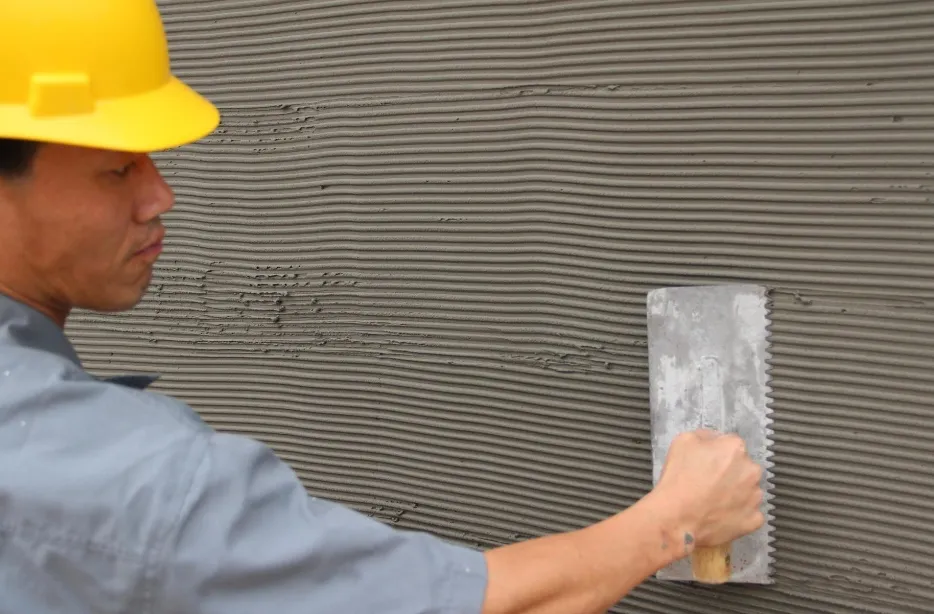
Fiber reinforced polypropylene (FRP) represents a groundbreaking advance in material science, uniquely blending the adaptable properties of polypropylene with the enhanced strength and durability of fiber reinforcements. This composite material is revolutionizing industries ranging from automotive to electronics, demonstrating unmatched performance and reliability. Composite materials, such as FRP, are designed to provide superior traits beyond those offered by single components. Polypropylene, a thermoplastic polymer, is well-recognized for its versatility, lightweight characteristics, and resilience to fatigue. However, its strength and stiffness can be inadequate for certain demanding applications. This gap is effectively bridged by incorporating fibers such as glass, carbon, or aramid, resulting in a composite with significantly improved mechanical properties. In automotive markets, the pursuit of lightweight materials without sacrificing strength is relentless due to increasing regulatory demands for fuel efficiency and emissions reduction. Fiber reinforced polypropylene offers an ideal solution, presenting an attractive balance of weight and performance. Its application in vehicle components, such as bumpers, dashboards, and under-the-hood parts, contributes significantly to overall weight reduction, leading to improved fuel economy and lowered emissions. Additionally, the composite’s resistance to impact and high tensile strength ensures enhanced safety and durability—imperative factors in automotive design. Moreover, the sustainability of fiber reinforced polypropylene makes it a material of choice for manufacturers intent on reducing environmental impact. Polypropylene is one of the most recyclable polymers, and when combined with recyclable fibers, the resultant composite can often be recycled or reprocessed with minimal degradation of quality. This attribute supports a more sustainable lifecycle, aligning with global sustainability trends and demands from environmentally conscious consumers. In the construction industry, fiber reinforced polypropylene is rapidly gaining traction due to its outstanding resistance to corrosion, chemicals, and moisture—all critical considerations in the longevity and maintenance of building structures. Its non-conductive nature also renders it suitable for applications where electrical conductivity may pose safety risks. For infrastructure projects, this composite material is utilized in components like reinforcing bars (rebars), panels, and deckings, offering longevity and reduced maintenance costs compared to traditional materials like steel. fiber reinforced polypropylene From an engineering perspective, designing with fiber reinforced polypropylene requires profound expertise. Each application demands a tailored approach in determining the type, orientation, and volume fraction of the fiber to achieve desired mechanical properties. Factors such as thermal conductivity, dimensional stability, and surface finish also need careful consideration during product development to ensure efficient manufacturability and performance under operational conditions. Fiber reinforced polypropylene is also notable for its applications in the consumer electronics sector . As the demand for portable, durable, and aesthetically pleasing devices continues to grow, manufacturers find themselves turning to this composite for enclosures and structural components. Not only does it provide the necessary rigidity and resistance to wear, but it also allows for intricate molding which is critical in designing sleek modern gadgets. Its capacity for vibrant coloration and finesse in surface texture showcases the composite’s flexibility in meeting aesthetic and functional requirements simultaneously. The aerospace sector similarly benefits from FRP’s lightweight and strong characteristics. Being a crucial contributor to the reduction of aircraft weight, it enhances fuel efficiency and range—an essential objective in aviation engineering. Used in the production of interior panels, seat structures, and certain aerodynamic surfaces, fiber reinforced polypropylene not only meets the stringent safety and performance standards but also minimizes operational costs over an aircraft’s service life. In summary, the multifaceted advantages of fiber reinforced polypropylene are proving indispensable across diverse industries. Its capacity to merge strength with lightweight and recyclable properties positions it as a leader in future material innovation and sustainability efforts. Expertise in its application can significantly enhance performance, reduce costs, and support environmental objectives. As new fibrous materials and technological advancements continue to emerge, the potential applications and benefits of FRP will undoubtedly expand, further entrenching its place as an essential material in modern engineering and product design.
advantages
-

200000 Viscosities
Excellent product
We can produce pure products up to 200,000 viscosities
-

40000 tons
High yield
We don’t stop production all year round, and the annual output can reach 40,000 tons
-

24 hours
Quality service
We provide 24-hours online reception service, welcome to consult at any time
———— Inquiry Form
Schedule A services

-
 pp_fiber_suppliers
Oct . 25, 2025
Rubber Powder Production Line Revolutionizing Material Recycling In an era where sustainability and -
 rubber_powder
Oct . 25, 2025
The Emergence and Significance of Manufactured Fiber in the Textile Industry Manufactured fibers, co - que_es_la_fibra_de_polipropileno
Oct . 25, 2025
In today’s industrial and personal care sectors, raw materials must deliver more than just functiona


